Australia Inflation: Fuel Costs and Rate Hikes Squeeze Households
Treasurer Jim Chalmers cites global oil shocks for the jump to 4.3%, but new polls show most voters still blame domestic spending.
By Allison Cooper ·
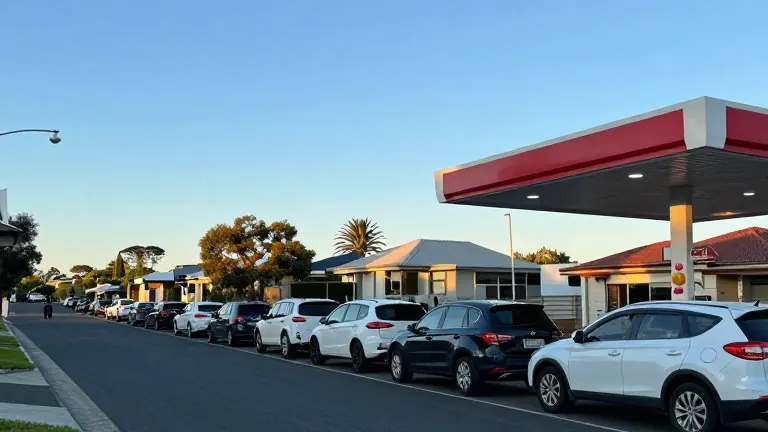
Australian households face a sharper cost of living as inflation rises and interest rates climb. The Australian Bureau of Statistics released data on Tuesday showing that consumer prices increased from 4% to 4.3% in the three months ending in September.
Treasurer Jim Chalmers pointed to external factors as the primary driver of this acceleration. He argued that the worsening conflict in the Middle East, specifically the war with Iran that began in late February, is the main cause. The data supports his claim that global events are weighing on domestic prices. Fuel costs jumped 9.4% in September alone. Petrol and diesel prices are now 24% higher than they were a year ago.
Chalmers also noted a surge in spending on datacenters. This infrastructure build, driven by the global rush to support artificial intelligence, is pouring money into an economy that already struggles to find enough workers and materials. This competition for resources adds to the pressure on prices.
Michele Bullock, the governor of the Reserve Bank of Australia, made a similar point earlier in the day. She stated that overseas developments are complicating the central bank's task. Their goal is to bring inflation back to 2.5%, ideally by the end of next year.
However, voters do not see the situation the same way. A new Essential poll found that nearly a third of Australians believe government spending is the top cause of rising costs. Only 24% of respondents identified overseas events, such as the oil shock, as the main reason. Another 19% blamed supermarket price gouging.
Economists support the view that domestic spending plays a role. Chris Richardson, a prominent budget analyst, has argued that public spending is too high and is hindering efforts to lower inflation. Government expenditure as a share of the economy is near record highs. This reality makes it difficult to accept Chalmers' assertion that the government has no part in the latest price jump, especially when Reserve Bank officials frequently mention capacity pressures that existed before the conflict began.
The underlying inflation rate, which removes the largest price swings, also ticked up from 3.6% to 3.7% in the year to the September quarter. This suggests the price rise is not just a temporary blip from fuel.
Households will feel the impact of these trends soon. The Reserve Bank is expected to deliver its fifth interest rate hike of the year on Tuesday. This move will push the cash rate to 4.85%, the highest level since the global financial crisis. Reserve Bank officials told the senate this week that they are more worried about inflation becoming entrenched than they are about rising unemployment, which recently hit a five-year high.
Sarah Hunter, the RBA's chief economist, offered some reassurance to nervous borrowers. She said there are no signs the economy is in or heading into a recession in the near term. Yet, families are approaching Christmas with rates at their highest since 2008 and sky-high petrol costs. A recent Essential poll showed that 61% of Australians believe the country is on the wrong track, compared to only 25% who think it is on the right path.
The pressure is now on Chalmers to change this narrative. He will have the opportunity to do so in December's mid-year budget as the government enters the third year of the current parliamentary term. With no obvious answers to the current economic challenges, the task will be difficult. The Middle East conflict, as Chalmers has noted, cannot end soon enough.
Source: The Guardian
More Business · Scam Watch · Report a business · Got a Story?