Travel videos push prices, deals that don't match real listings
A review of AI-generated posts found video scenes and rates that don't match the properties they promote, including one Blue Ridge rental showing $93 per person per night against a listed rate near $865.
By Allison Cooper ·
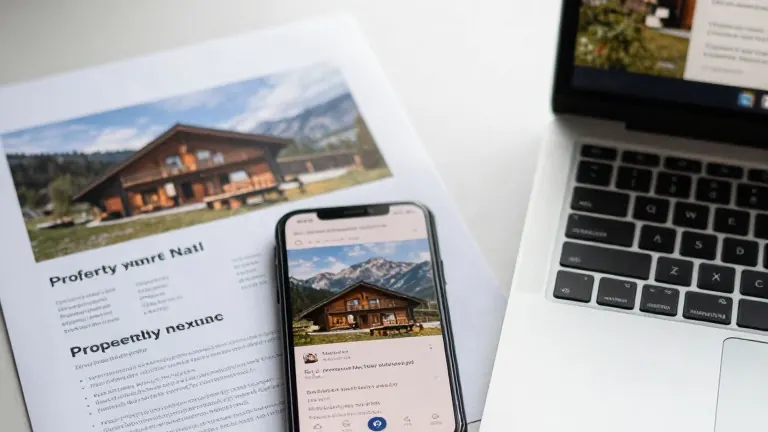
A TikTok video promoting a rental home in the Blue Mountains posted a rate of $93 per person per night. The listing showed about $865 per night. The video did not give travel dates, occupancy, taxes or fees for its figure, and the advertised rate did not appear on the linked booking page or the property's official sites.
A review of TikTok posts pushing real hotels, resorts and vacation rentals found videos marked as AI-generated that did not match the official listings. Several posts sent viewers to Expedia and Booking.com. The posts carried TikTok's "Creator earns commission" label, which means a creator may collect a commission on a qualifying purchase through a link.
In a video promoting a beachfront rental in Panama City Beach, the kitchen opened into a bedroom. The listing shows that opening leads outside, and the neighboring house in the video differs from the property's photos. Another video presented features as part of the Gaylord National Resort at National Harbor near Washington, D.C. The video appeared to draw from more than one Gaylord resort, including an outdoor lazy river that is not at Gaylord National.
A post offered three nights at Pine Mountain Callaway Resort And Gardens in Georgia for about $359. Checking in October 2026, that offer did not turn up on the booking link or the resort's website. TikTok requires AI labels on realistic scenes and people, and the company said misleading AI content would bar an account from earning commissions, though the content must first be caught in moderation or reported by a user. Expedia said the accounts in question are not connected to its affiliate program and the discounts are not an Expedia affiliate offering. Booking.com did not respond by deadline.
Travel agent Nicholas Santine of TravelMation in Atlanta said travelers should not book off a social media video alone. "Google the location. Google the hotel.. See reviews. Look at review photos. Look at other people's experience. Go beyond what the influencers and what the algorithm wants you to see," he said. He also urged travelers to use a property's own site rather than a link in a post: "Go to the exact website. Don't trust the link. Don't trust everything you see. You know, if it's too good to be true, it probably is."
The Federal Trade Commission applies its truth-in-advertising standards to social media endorsements, and a paid relationship that could shape how a viewer reads a recommendation must be disclosed clearly. Federal rules also cover fake reviews and fake indicators of social media influence. Georgia's Fair Business Practices Act makes unfair or deceptive practices unlawful in consumer transactions, including conduct that causes confusion about sponsorship or affiliation. No single U.S. law requires every AI-generated travel post to carry a label.
Source: WQCW · original report published
More News · Charleston news · Report a business · Got a Story?